7:44 AM What Causes Interstitial Lung Disease? Common Risk Factors Explained |
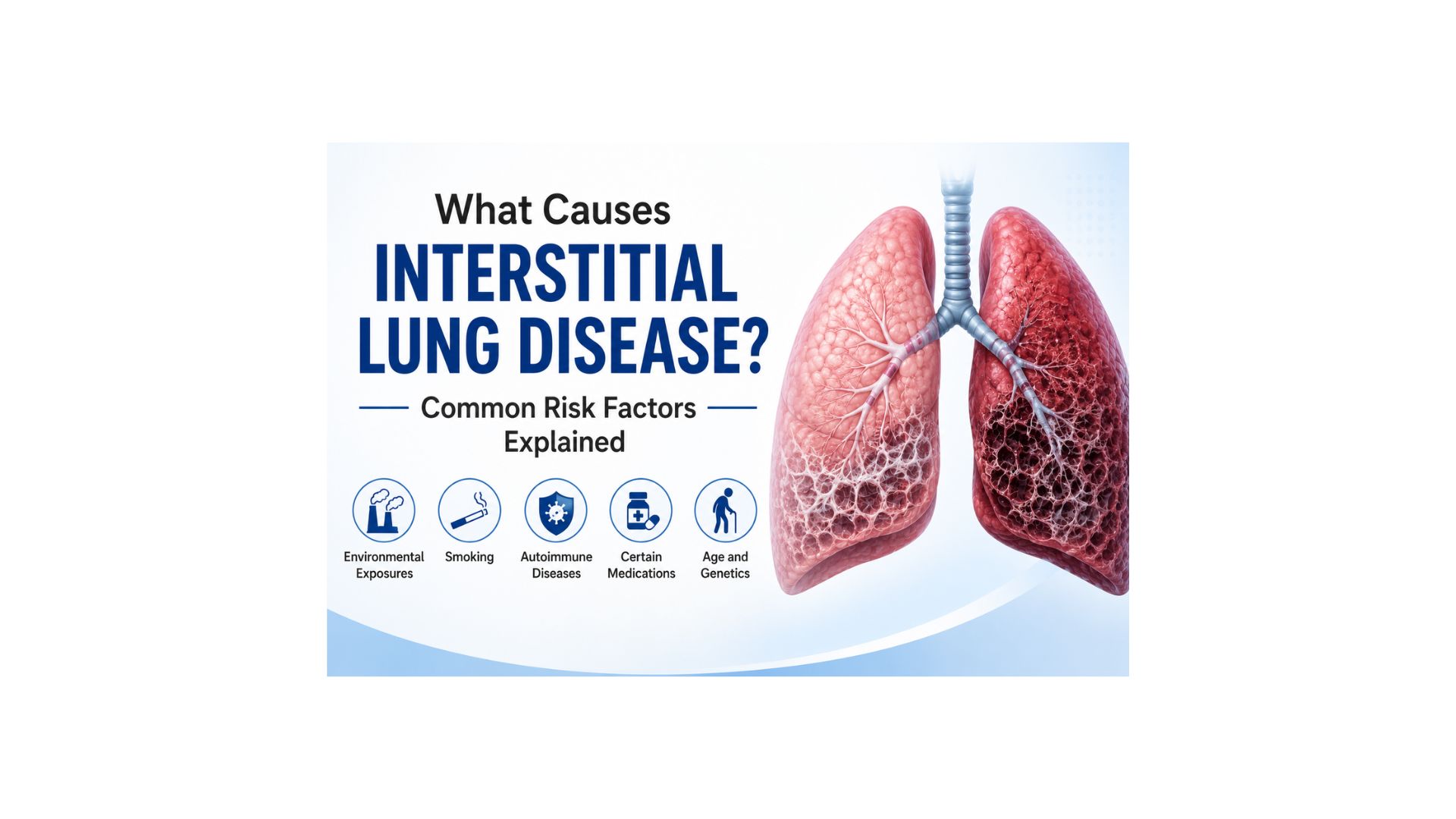
Interstitial Lung Disease (ILD) is a term used to describe a group of lung diseases that cause inflammation and scarring in the lung tissue. Over time the scarring can make the lungs stiff and affect their ability to transfer oxygen into the blood stream. This can result in symptoms such as shortness of breath, a persistent dry cough, tiredness, and a reduced exercise tolerance in people with ILD. But what causes interstitial lung disease? Sometimes the answer is not so simple. Some cases are caused by workplace exposures, medications, infections, or other health conditions, and autoimmune diseases but some cases have no clearly identifiable cause. Knowing the common risk factors can help people identify possible risks, and seek medical advice in good time. What Is Interstitial Lung Disease?Interstitial lung disease is a general term for over 100 lung diseases. Under these conditions the interstitium, the tissue surrounding the air sacs of the lungs, is affected. When this area is inflamed or scarred, the lungs can lose some of their elasticity. As the disease progresses, it may become increasingly difficult to breathe. ILD can be mild or severe, and the rate of progression can vary from person-to-person, so it’s important to get a proper evaluation by a qualified lung specialist. What Causes Interstitial Lung Diseases?Causes and risk factors of interstitial lung disease. In some patients more than one factor may be contributing to the lung injury. 1. Diseases of the autonomic and connective tissueSome autoimmune diseases can involve the lungs and predispose to ILD. Inflammatory conditions such as rheumatoid arthritis, systemic sclerosis, lupus and other connective tissue disorders can affect the lung tissue. In such conditions, the immune system mistakenly attacks healthy tissue. The lungs can be affected, causing inflammation and sometimes permanent scarring. Anyone with an autoimmune condition who has new or worsening symptoms of breathing should speak to their healthcare provider. 2. Occupational and Environmental ExposuresSome dusts, fibres, fumes and chemicals can affect lung health if exposure is prolonged. People who work in construction, mining, agriculture, manufacturing, or other environments with airborne particles may have a higher risk of certain types of ILD. Some of the more common harmful exposures include:
The risk may vary depending on the type of exposure, the duration of exposure and the use of protective equipment. 3. Smoking and tobacco smoke exposure“Smoking can cause damage to the respiratory system and is associated with a number of lung diseases. While not all ILD is caused by smoking, exposure to tobacco can increase the risk of certain interstitial lung disorders and make existing lung problems worse. Second-hand smoke and long-term exposure to indoor and outdoor air pollution can also lead to poor respiratory health. Staying away from tobacco smoke is one important thing you can do to protect lung function. 4. Some MedicationsSome medicines have side effects that may affect your lungs. Some chemotherapy medicines, some medicines for heart problems and other medicines can cause lung inflammation or injury in some people. That does not mean people should stop taking prescribed medicines without a doctor’s advice. “Anyone who develops a persistent cough or difficulty breathing after starting a new medication should see their doctor for evaluation.” 5. RadiotherapySometimes people who get radiation therapy to the chest area develop lung inflammation or scarring as a complication of treatment. The risk may be related to factors such as the location treated, the radiation dose, and the health conditions of the individual. Patients who have had radiation treatment to the chest should tell their health care provider if they develop new breathing symptoms. 6. lung infections and other lung problemsSometimes infections cause inflammation and damage of the lung tissues. In some instances, the lungs may not fully recover following severe inflammation or infection, leading to long-term changes. Other underlying lung conditions can cause lung damage, too. Doctors can use a detailed medical history and appropriate diagnostic testing to determine the likely cause. 7. Genetic and Family HistorySome interstitial lung diseases may be inherited. A family history of pulmonary fibrosis or certain genetic conditions may increase the risk of developing specific types of ILD. But being related to someone with ILD does not mean that a person will develop it. If you have a strong family history, talk with your health care provider about your concerns. 8. Age and health concernsSome forms of interstitial lung disease are more common in the older adult. Other health conditions, long-term exposure to environmental factors and individual susceptibility also may play a role in the risk. However, ILD can affect people of any age, depending on the type and the cause. What are the symptoms of ILD?Symptoms of ILD may be insidious and can be mistaken for normal aging or reduced fitness. They usually have:
If breathing difficulty or a persistent cough continues, medical evaluation should not be delayed. How Is Interstitial Lung Disease Diagnosed?Doctors may use several methods to evaluate a person with suspected ILD. These may include a detailed medical and occupational history, physical examination, pulmonary function tests, chest imaging, and blood tests. A high-resolution CT scan of the chest may provide detailed images of lung tissue. In some cases, additional tests may be needed to identify the specific type and possible cause of ILD. “Early assessment helps doctors to understand the condition and plan for appropriate treatment. Can Interstitial Lung Disease Be Prevented?Not all cases of ILD can be prevented, particularly those related to autoimmune conditions, genetics, or unknown causes. But some risks can be mitigated by:
When to visit a pulmonologistA persistent dry cough, unexplained breathlessness or decreasing exercise tolerance should be medically evaluated, particularly if symptoms continue for several weeks or gradually worsen. In those with a history of autoimmune disease, exposure to dust at work, smoking, radiation to the chest or long-term medication use, a careful assessment may be needed if they develop respiratory symptoms. ConclusionThere are many causes of interstitial lung disease and identifying the underlying risk factors is an important part of evaluation and management. Symptoms can develop slowly and early treatment can allow doctors to check lung function and decide what to do next. If you are looking for the Best Pulmonology Treatment Hospital in Hisar then Sarvesh Health City’s team offers specialized respiratory evaluation and treatment. The hospital offers a full range of care for many lung and respiratory conditions, with an emphasis on accurate diagnosis and individualised treatment planning. Frequently Asked Questions FAQQ1. The commonest cause of interstitial lung disease is:Ans. There is no single cause for all the cases of ILD. Workplace exposures, autoimmune diseases, smoking, genetics and radiation may all contribute. In some cases the cause is unknown. Q2. Does smoking cause interstitial lung disease?Ans.Smoking can increase the risk of developing certain types of interstitial lung disease and can aggravate existing lung problems. Avoid tobacco smoke for your lungs. Q3. Can interstitial lung disease be cured?Ans. Prognosis is variable depending on type and cause of ILD. Some forms can be treated by addressing the underlying cause, others may require long-term treatment and monitoring. Q4. What are the early signs of Interstitial Lung Disease?Ans. Early symptoms are usually persistent dry cough, breathlessness on exertion, fatigue and decreased exercise tolerance. Q5. What doctor treats interstitial lung disease?Ans. Assessment and management of interstitial lung disease is by a pulmonologist or lung specialist. Other specialists may be called upon if ILD occurs with other medical conditions or with autoimmune disease. |
|
|
| Total comments: 0 | |